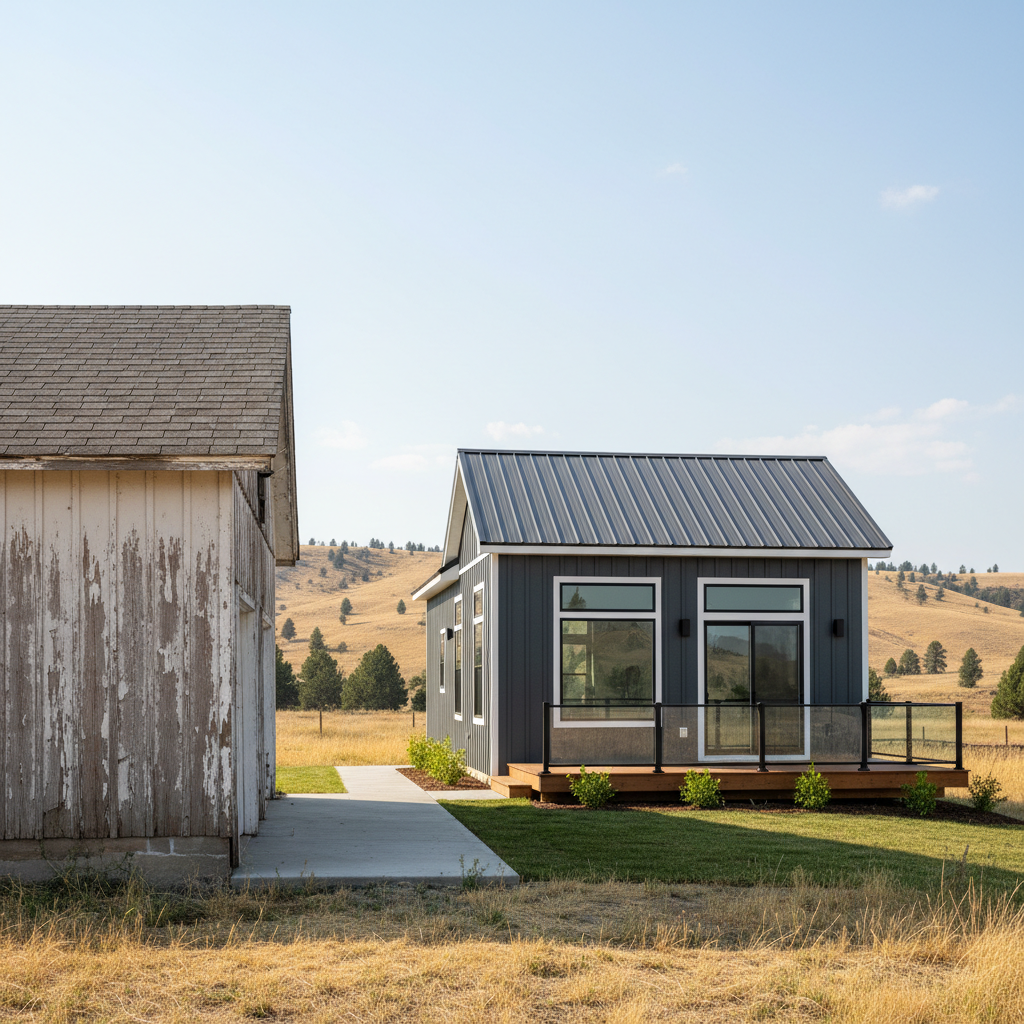
Thinking about adding a detached ADU to your Boise property? That's a smart move, really, whether you're looking for rental income, a place for family, or maybe a dedicated home office. Once you've decided on detached, you're usually looking at two main routes: either building a brand-new structure from the ground up, or converting something already there, like an old shed or a detached garage. I've seen both done around here, from the North End right down to the Bench, and each approach has its own set of challenges and benefits, you know?
Building a New Detached ADU
This is often what pops into people's heads when they hear 'ADU.' You pick a spot on your lot, pour a new foundation, and then build a whole new structure. It's a clean slate, which is a huge plus in my book.
- Cost: Generally, building new costs more upfront. You're paying for everything: excavation, foundation, framing, roofing, all new utilities, finishes – the whole shebang. Here in Boise, with our sometimes rocky soil, excavation can actually add a bit more to the bill than you might expect elsewhere.
- Durability & Longevity: When you build new, you're using modern materials and techniques. You get to make sure everything meets current building codes from day one. This means you'll have a structure designed to last, often with better insulation, energy efficiency, and structural integrity. We're talking a 50+ year lifespan if you keep up with maintenance.
- Maintenance: Initial maintenance is lower, simply because everything is new. You won't be dealing with old wiring, leaky pipes, or a failing roof for a good long while.
- Appearance & Customization: This is where new builds really shine. You get to design it exactly how you want, matching your main house's style or going for something completely different. You control the layout, window placement, roofline – everything. This means it can either blend in perfectly with your existing property or stand out as a unique feature.
Converting an Existing Structure
Maybe you've got an old, underused detached garage or a sturdy shed that's just collecting junk. Turning one of these into an ADU can seem like a shortcut, and sometimes it is.
- Cost: This is often the big draw for people. You already have a foundation, walls, and a roof, which can save you a significant chunk of change. However, don't underestimate what it costs to bring an old structure up to code. You'll likely need new electrical, plumbing, insulation, windows, doors, and all new interior finishes. Sometimes, those 'savings' aren't quite as massive as you'd hoped once you factor in all the necessary upgrades.
- Durability & Longevity: This is the trickiest part, honestly. How durable your converted ADU ends up being depends entirely on the condition of the existing structure. Is the foundation solid? Are the walls plumb? Is the roof structure sound? You might uncover hidden issues like rot, pest damage, or structural weaknesses that need expensive repairs. The lifespan will always be tied to the original structure's health, even with upgrades.
- Maintenance: You might just inherit maintenance issues from the original structure. Even if you upgrade the interior, the exterior shell could still have older components that need attention sooner than a new build.
- Appearance & Customization: You're working within existing constraints here. The footprint, wall height, and roofline are already set. While you can definitely improve its appearance and functionality, you're limited by what's already there. You might not get the ideal layout or that perfect aesthetic match to your main house.
My Recommendation for Boise Homeowners
Look, I've seen a lot of projects come through Boise ADU Solutions, and here's my honest take: for most homeowners, building a new detached ADU is the better long-term investment.
While converting an existing structure might look cheaper on paper, the hidden costs of bringing an old building up to modern residential code – especially for things like insulation, proper foundations, and utility connections – often eat into those initial savings. You also run the risk of uncovering major structural issues that turn a 'conversion' into a 'demolish and rebuild' project anyway. It happens more than you'd think.
With a new build, you get exactly what you want, built to current standards, with better energy efficiency, lower maintenance for years to come, and a significantly longer lifespan. It's a higher upfront cost, no doubt about it, but you're investing in a purpose-built asset that will add more value and cause fewer headaches down the road. You'll also have an easier time getting it permitted and inspected when everything is new and designed to code.
Now, that's not to say conversions are never worth it. If you have a relatively new, well-built detached garage with a solid foundation and decent bones, it can be a viable option. But for older sheds or garages that haven't been well-maintained, you're often better off just starting fresh. It really comes down to weighing the known costs of a new build against the potential unknown costs and limitations of a conversion, doesn't it?