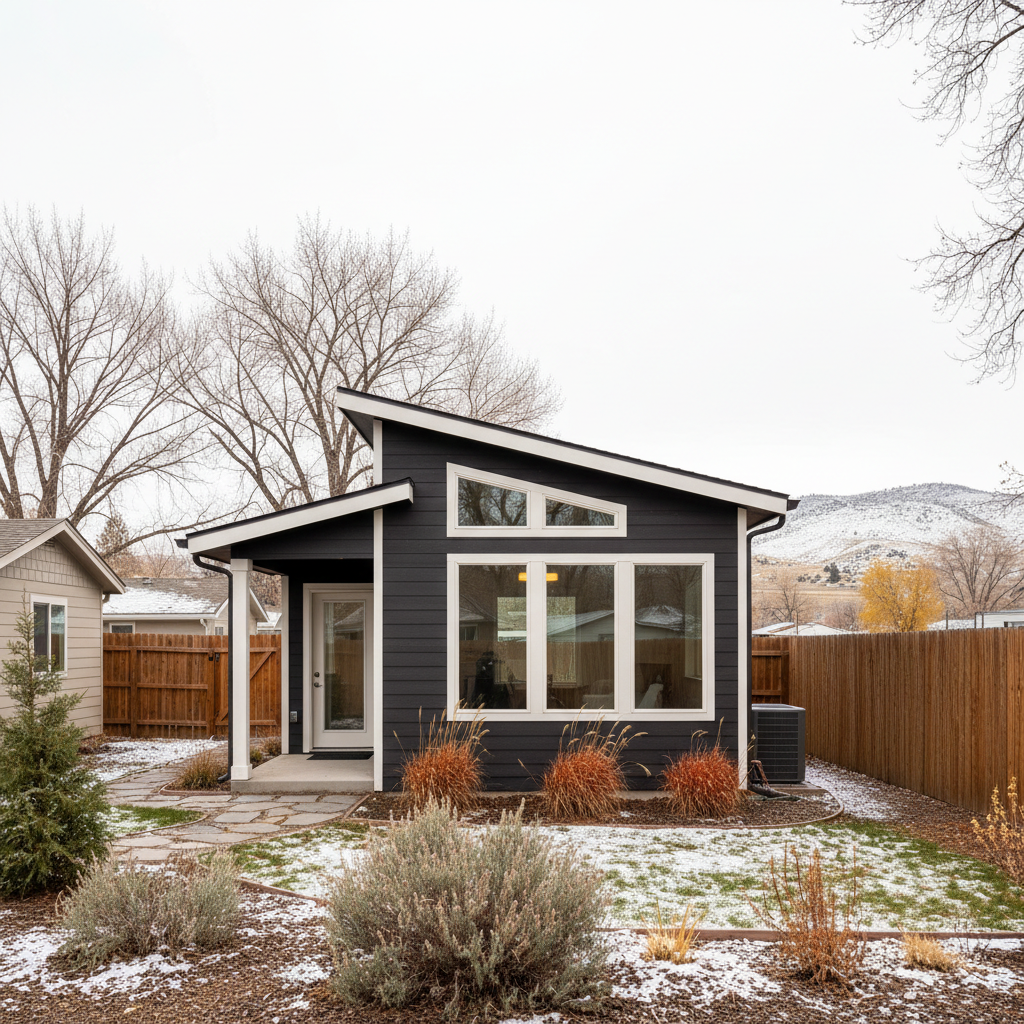
When you're planning an ADU here in Boise, one of the biggest things I see folks overlook is our weather. It's not just about getting the permits or picking out finishes; it's about when you actually break ground and how you manage the build through our distinct seasons. Trust me, ignoring the climate can add time, cost, and a whole lot of stress to your project. And who needs that?
Understanding Boise's Climate for Your ADU Build
We really do get all four seasons here, and they're not shy about it. Our summers are hot and dry, winters are cold with snow, and spring and fall can be pretty unpredictable. This isn't like building in, say, San Diego, where the weather's pretty consistent. You've simply got to plan around it.
Think about the ground, for starters. Digging foundations in frozen ground during January? That's a no-go. It's tough on equipment, slows everything down, and can even compromise the integrity of your footings if not done right. On the flip side, trying to pour concrete in the middle of a 100-degree August day without proper precautions can lead to rapid drying and cracking. These are the kinds of details a good contractor, like us at Boise ADU Solutions, keeps an eye on.
When's the Best Time to Build?
Honestly, there's no single 'perfect' time, but there are definitely better windows for certain phases. I generally tell people that late spring through early fall is your prime construction season for the exterior shell. That's when you want to get your foundations poured, framing up, and the roof on.
- Spring (April-May): This is a fantastic time to start. The ground's thawed, temperatures are mild, and you've got a good run of weather ahead for getting the structure enclosed. You might hit a few rainy days, but nothing too severe for most exterior work.
- Summer (June-August): Excellent for framing, roofing, and getting windows and doors in. The long daylight hours mean crews can work efficiently. Just be mindful of those really hot days for concrete pours or exterior painting. We'll often adjust schedules to start earlier or finish later, just to avoid the midday sun.
- Fall (September-October): Still a strong contender for exterior work, especially if you started in late summer. You're really trying to get 'dried in' before the real cold and snow hit. Interior work can continue through the colder months, but getting the shell done before November is ideal.
Winter (November-March) is generally when you're focusing on interior finishes. Once the ADU is enclosed and heated, trades like electricians, plumbers, drywallers, and painters can work comfortably and efficiently, regardless of what's happening outside. Trying to do exterior work in the middle of a Boise winter, especially when we get those cold snaps and inversions, is just asking for trouble and extra costs.
Protecting Your Investment Year-Round
Once your ADU is built, it's not just about enjoying the space; it's about maintaining it. Our climate puts certain demands on homes, and your ADU is no different.
- Winter Prep: Before winter hits, make sure your gutters are clean. We don't get massive snow loads like some places, but ice dams can still be an issue if water can't drain properly. Also, check for any drafts around windows and doors. Good insulation and sealing are key to keeping heating costs down when it's freezing outside.
- Summer Checks: Our dry summers can be tough on landscaping around foundations. Make sure you're watering adequately to prevent soil shrinkage, which can lead to foundation issues over time. And don't forget to check your AC unit filters regularly; it keeps the unit running efficiently during those 90+ degree stretches.
- Rainy Season: We don't get a ton of rain, but when we do, it can come down. Make sure your grading directs water away from the foundation. I've seen too many issues arise from poor drainage, especially in older neighborhoods like the North End where properties might have settled over the decades.
- Pest Control: This is a year-round thing, but especially as seasons change, keep an eye out for pests. Our climate means rodents and insects are always looking for a warm, dry place to hide. Seal up any small gaps or cracks.
Building an ADU is a big undertaking, and thinking about the weather from the start will save you a lot of headaches. Plan smart, work with a contractor who knows the local conditions, and you'll have a great addition to your property that stands the test of time.