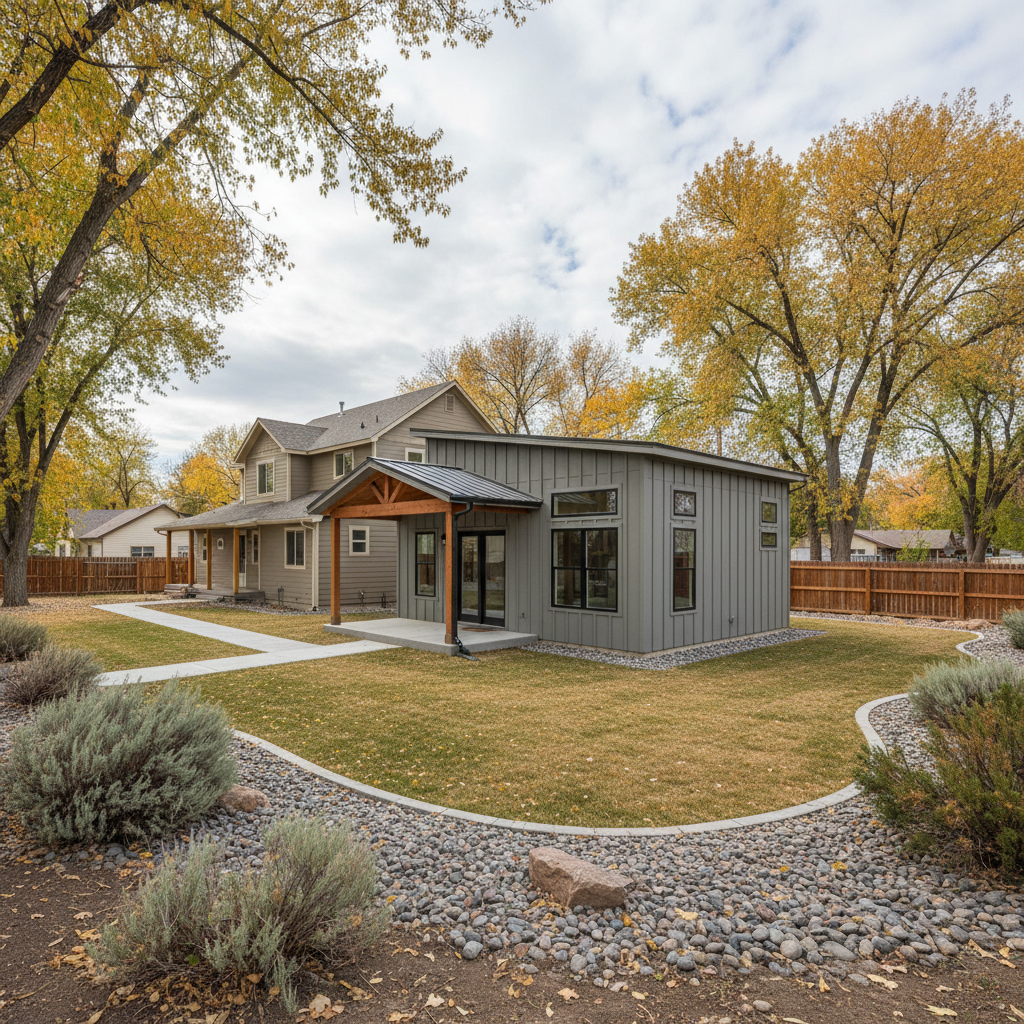
Building a backyard cottage or conversion is a large undertaking, and if you have not managed a major build in the Treasure Valley before, the process can feel overwhelming. Boise ADU Solutions has walked hundreds of property owners through the steps. The steps of your project from concept to final paint coat follow a clear path.
The Realistic Timeline for a Boise Build
Most homeowners underestimate how long the paperwork takes. From the day you decide to build to the moment you hand keys to a tenant, you are looking at roughly six to nine months total. Design and engineering take about four to eight weeks, depending on whether you are drawing something custom or adapting to local soil conditions and setbacks in Boise. Once those plans hit City Hall on Capitol Boulevard, expect another four to six weeks for plan review and permit issuance. Physical construction on a detached backyard unit generally runs five to seven months. Weather plays a role too, because if we are pouring concrete or digging foundations during a freezing Boise winter snap, things slow down fast.
What to Expect While Construction is Underway
Your backyard is going to look like a construction zone for a few months. Heavy equipment tears up landscaping, subcontractors are parking trucks in your driveway, and materials are stacked against the fence. Expect noise starting early in the morning, dust blowing across your lawn when the wind kicks up off the valley, and random utility shut-offs for brief windows. City inspectors will pop in at various milestones including foundation, framing, and rough mechanicals to make sure everything complies with local code. Having a clear line of communication with your construction manager keeps these disruptions from ruining your relationship with your neighbors.
How to Prepare Your Property and Family
Before the first excavator shows up, clear out your yard and establish staging areas for building supplies. Talk to your neighbors early, as a polite heads-up about street parking and construction noise goes a long way in older neighborhoods like the North End or Vista. Make sure your household has a plan for managing water and power shut-offs, and designate a specific point of contact in your family to deal with daily project updates so the lead contractor is not getting conflicting answers from different people.
Important Questions to Ask Before Signing a Contract
Do not sign a construction management agreement until you have talked to the contractor about specific details. Here are the core items to clarify:
- Who handles the sub-tier utility connections for water and sewer lines running from the main house to the ADU?
- How do you handle unexpected change orders if we hit basalt rock during foundation excavation?
- What is your exact policy on builder's risk insurance and subcontractor lien waivers?
- Can you provide references for at least three completed ADUs in Ada County?