Alright, let's talk ADU engineering. It's one of those build steps homeowners often don't think much about until they're neck-deep in plans, but wow, it's absolutely crucial. You just can't throw up a structure and hope for the best, especially not here in Boise. We get everything from heavy snow loads in the Foothills to expansive clay soils in some of the older Bench neighborhoods, you know? Engineering is what makes sure your ADU stands up, stays dry, and is safe for whoever lives in it.
Before You Break Ground: The Design & Planning Phase
This is where most of the engineering heavy lifting happens, long before any dirt gets moved. You'll definitely need structural engineering plans, and sometimes civil engineering too. What's the difference between them?
- Structural Engineering: This is all about the bones of your ADU. It covers the foundation, the framing (walls, roof, floor systems), and how everything connects to resist gravity, wind, and seismic forces. Your architect or designer will whip up the initial architectural drawings, but a structural engineer is the one who calculates beam sizes, joists, and footings, specifies the rebar in your concrete, and makes sure the whole thing is sound.
- Civil Engineering: This deals with the site itself. Think grading, drainage, stormwater management, utility connections (water, sewer, gas), and sometimes even driveway design. If your property has significant slopes, poor drainage, or you're doing a major yard overhaul, you'll likely need a civil engineer. They'll make sure water flows away from your ADU and your main house, not towards it – that's super important for avoiding headaches down the road.
Can you DIY any of this? Not really, no. Unless you're a licensed engineer yourself, you absolutely need a professional for these plans. The City of Boise planning department won't even glance at your permit application without stamped engineering drawings. Please, don't try to cut corners here; it'll cost you more in the long run, and could even compromise safety.
During Construction: Making Sure It's Built Right
Once you have your engineered plans and permits, construction begins. But the engineer's job isn't always done. They might need to perform inspections at various stages, or you might need a third-party inspector to verify certain aspects of the build.
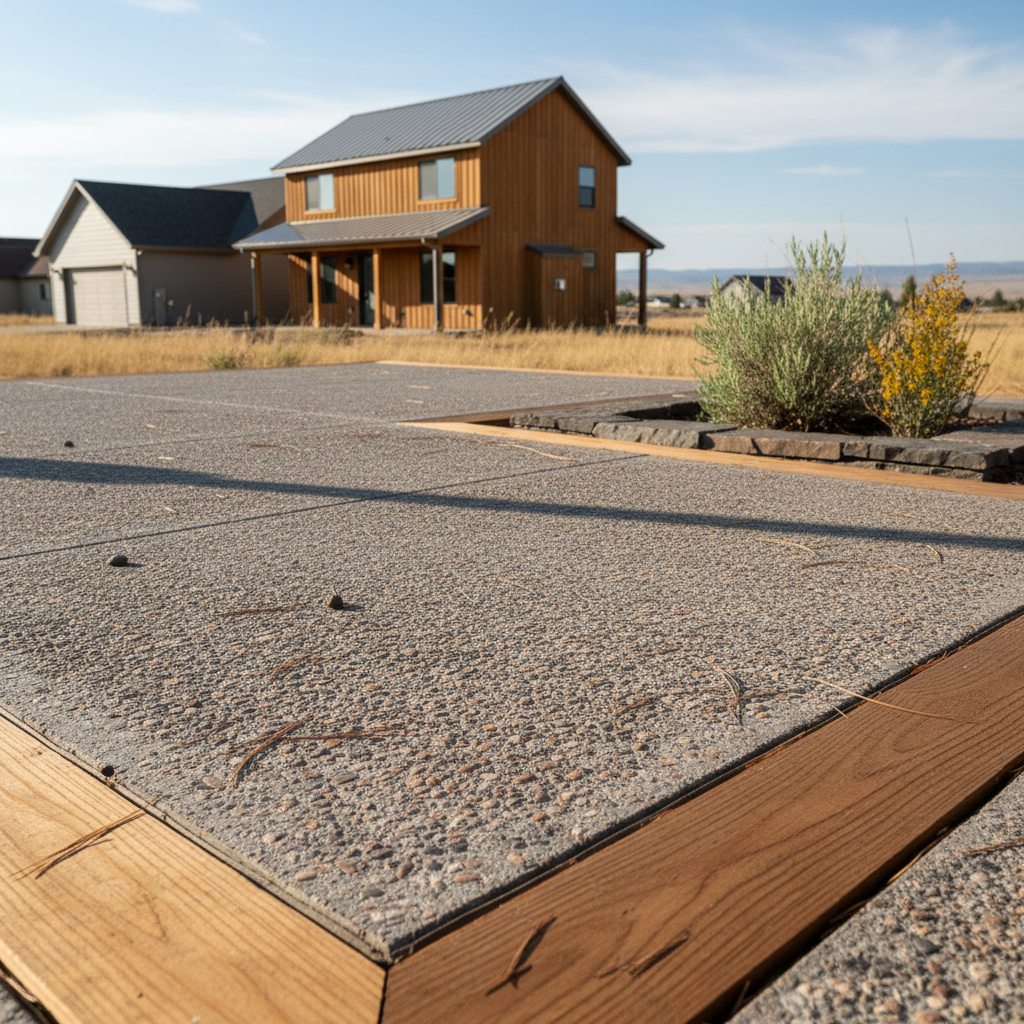
- Foundation Inspection: Before concrete is poured, an engineer or special inspector often needs to check the rebar placement, vapor barrier, and forms. This is non-negotiable. If the foundation isn't right, nothing else will be.
- Framing Inspection: Sometimes, especially with more complex designs or if there were specific engineering notes on the plans, an engineer might need to verify framing details like shear walls or specific connections. Your general contractor (or you, if you're GC'ing) will coordinate these.
- Special Inspections: For certain elements like structural steel connections, post-tensioned concrete, or specific types of masonry, your plans might call for 'special inspections.' These are usually done by an independent testing agency, not the city inspector, to ensure compliance with the engineered design.
What can you, the homeowner, do during this phase? Your main role is to ensure your contractor is following the plans exactly. Ask questions, compare what's being built to the drawings, and don't be afraid to speak up if something looks off. You're not expected to be an expert, but you are the owner, and it's your investment. If you're managing the project yourself, you'll be the one scheduling these inspections and making sure the results are documented.
After Completion: Long-Term Considerations
Once your ADU is built and you've got your Certificate of Occupancy, the engineering work is largely complete. But there are still a few things to keep in mind.
- Maintenance: Keep an eye on your ADU's foundation and drainage. Make sure gutters are clean and downspouts are directing water away from the foundation. If you notice any significant cracks in the foundation or walls, or persistent water issues, it's worth getting a professional opinion.
- Future Changes: If you ever plan to make big alterations to your ADU – say, adding a deck that ties into the structure, or cutting a new opening in a load-bearing wall – you'll need to revisit engineering. Seriously, don't just start knocking holes in things; you could compromise the structural integrity.
Engineering might not be the flashiest part of building an ADU, but it's the bedrock of a safe, durable, and code-compliant structure. At Boise ADU Solutions, we always emphasize working with experienced architects and engineers who understand local conditions and codes. It's an investment that pays off, and a structure that will serve you well for decades to come.